



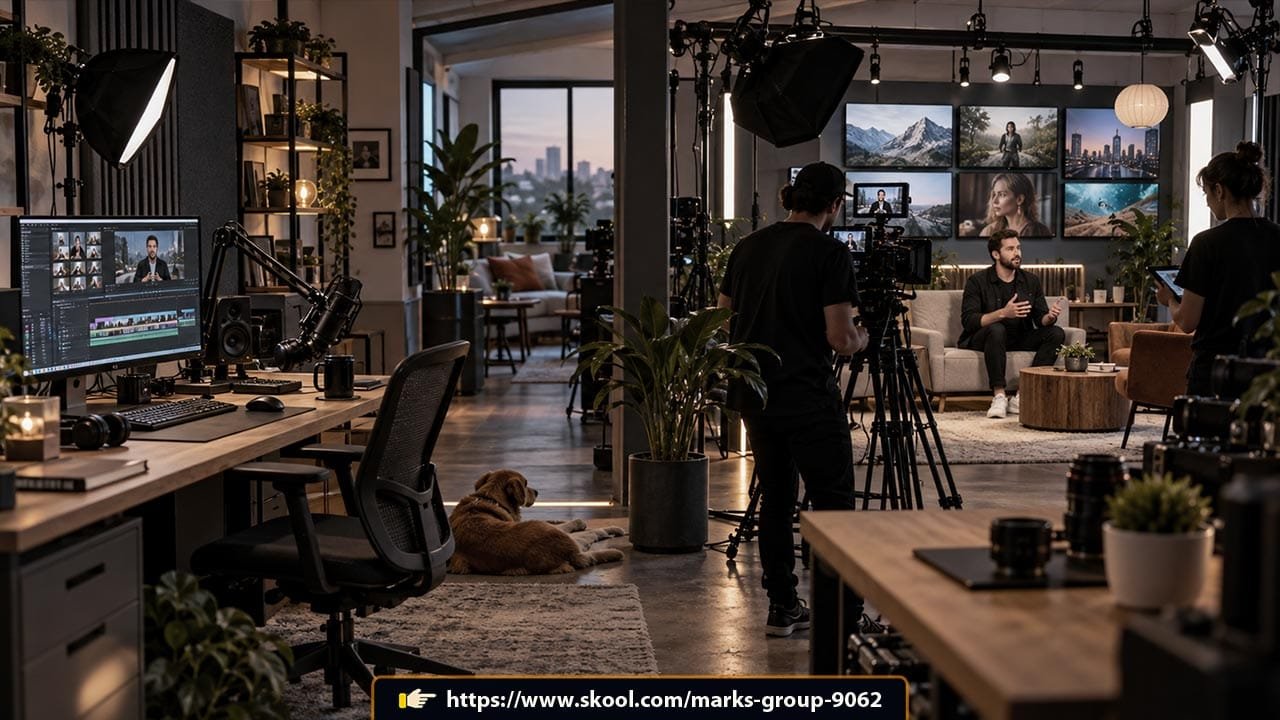
A Smart Strategy for 2026 and Beyond
YouTube is moving well beyond its roots as a platform for standalone videos, tutorials, and viral clips.
In 2026, it is increasingly becoming a destination for shows, documentaries, interviews, competitions, podcasts, and episodic programming.
One of the biggest reasons is straightforward: more people are watching YouTube the way they once watched traditional television.
Nielsen reported that YouTube accounted for 13.8% of total U.S. television viewing in May 2026, making it the largest measured media distributor for the third consecutive month.
YouTube is also investing more heavily in creator-led programming, including shows involving personalities and brands such as Trevor Noah, Dude Perfect, and Alex Cooper, with some projects extending into 2027.
For creators and content publishers, this shift creates an important opportunity.
A Series Gives Audiences a Reason to Return
A single video may attract attention once.
A well-designed series can create a habit.
When viewers understand the format and know another episode is coming, they have a stronger reason to subscribe, return, and follow the story over time.
Episodes can gradually build:
- recognizable personalities
- recurring segments
- audience familiarity
- subject-matter authority
- community participation
- ongoing storylines
That makes a series more than a collection of videos. It can become a recognizable media property.
Shows Can Become Valuable Intellectual Property
A successful recurring format can also create more business opportunities than a one-time viral video.
A strong show may eventually support advertising, sponsorships, memberships, digital products, merchandise, licensing, live events, or other revenue streams.
The value is not only in the individual episode.
The value is in the format, audience, brand, and library of content being built around it.
YouTube Is Moving Into the Living Room
Long-form YouTube viewing is increasingly taking place on television screens.
YouTube reported that viewers watched more than 700 million hours of podcasts on television devices in October 2025, compared with about 400 million hours a year earlier.
That matters because television viewing encourages a different kind of content strategy.
Creators can begin thinking about longer episodes, better production design, stronger storytelling, recurring segments, opening sequences, season structures, and consistent programming.
Think Like a Digital Publisher
For content publishers, the lesson is not simply to make longer videos.
It is to begin thinking in terms of programming.
Instead of asking:
“What video should I publish this week?”
Consider asking:
“What program can I build that people will want to watch every week?”
That shift changes YouTube from an endless content-production treadmill into something closer to a digital media network.
In 2026 and beyond, some of the strongest YouTube channels may not simply publish videos.
They may operate their own programming schedules.
For more reads like this join our community: https://www.skool.com/marks-group-9062









Leave A Comment