




Hollywood celebrities are moving into microdrama apps, a fast-growing form of entertainment built for smartphones.
A new entertainment format is gaining momentum, and Hollywood is starting to pay attention.
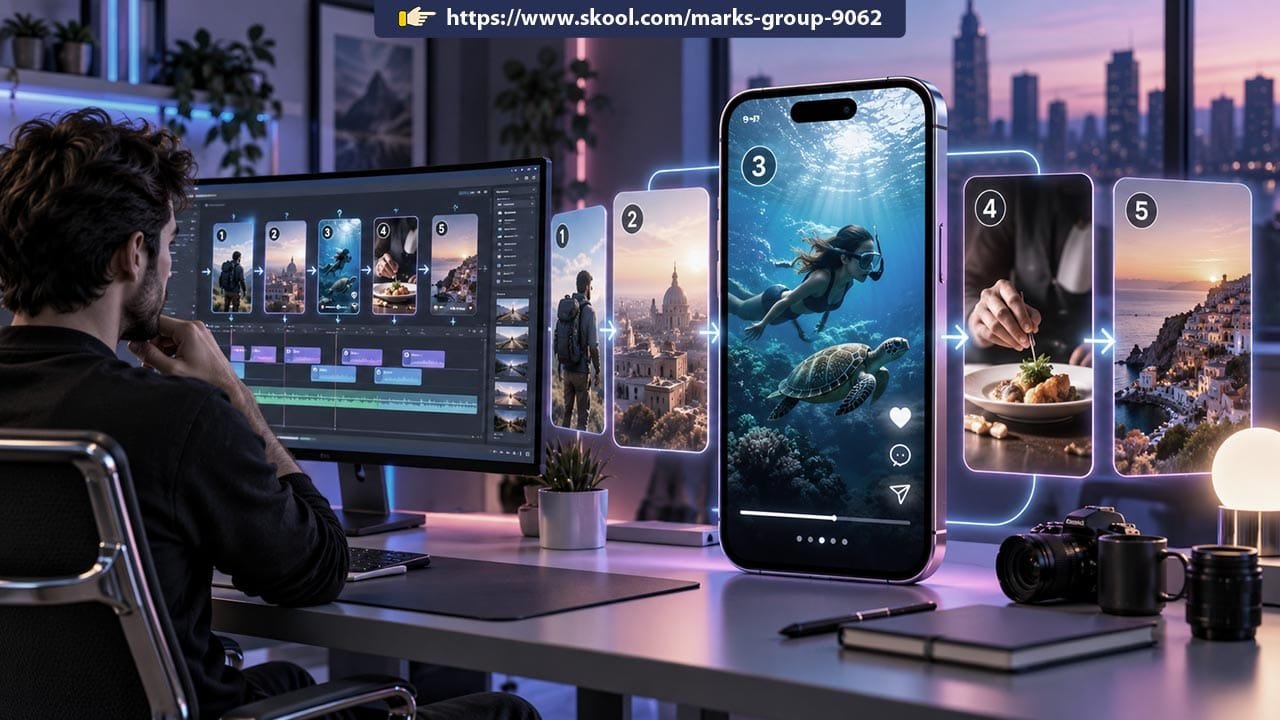
Microdramas are short scripted shows designed primarily for smartphones. Episodes are often only a few minutes long and typically rely on romance, suspense, conflict, cliffhangers, and frequent plot twists to keep viewers moving from one episode to the next.
The format first became a major business in China and is now expanding rapidly in the United States. Industry analysts at Omdia estimate that U.S. microdrama revenue could reach $1.5 billion in 2026.
That growth is attracting established entertainment talent, investors, and production companies.
Issa Rae’s Hoorae Media partnered with TikTok’s PineDrama on Screen Time, a thriller that reportedly generated more than 150 million views. Taye Diggs has launched Microhouse Films, a company focused on mobile-first vertical storytelling.
Kim Kardashian and Kris Jenner have also invested in microdrama company GammaTime, while established actors including James Franco and Jesse Tyler Ferguson have appeared in vertical-format productions.
Why Hollywood Is Interested
Part of the attraction is production economics.
Traditional television and film can require large crews, expensive locations, lengthy production schedules, and significant distribution costs.
Microdramas offer a different model.
Stories can often be produced faster, distributed directly to mobile audiences, and tested without the infrastructure normally associated with television production.
At the same time, platforms such as TikTok, Instagram Reels, and YouTube Shorts have trained audiences to consume entertainment vertically and in shorter viewing sessions.
Microdrama attempts to combine that behavior with something much older: episodic storytelling.
Short-Form Video Is Becoming Serialized Entertainment
Microdrama is important because it shows that short-form video does not have to consist entirely of disconnected clips.
A creator can build characters.
Episodes can connect.
Stories can continue over dozens of installments.
Every episode can create a reason to watch the next one.
That opens new possibilities for independent creators and small production teams that may not have the resources to produce traditional television but can still develop recognizable entertainment properties.
A New Production Model for Creators
The opportunity is not necessarily to imitate Hollywood.
Creators can borrow the underlying strategy:
Develop a repeatable story format, produce efficiently, distribute directly to an audience, and build anticipation between episodes.
A five-minute episode with a compelling cliffhanger may sometimes create more audience momentum than a single 30-minute production released without a continuing story.
For content publishers, microdrama is another sign that the boundaries between social media, television, streaming, and independent production are becoming increasingly difficult to define.
The future of television may not always arrive through a television screen.
Sometimes it may arrive vertically, one three-minute episode at a time.
For more reads like this join our community: https://www.skool.com/marks-group-9062









Leave A Comment