



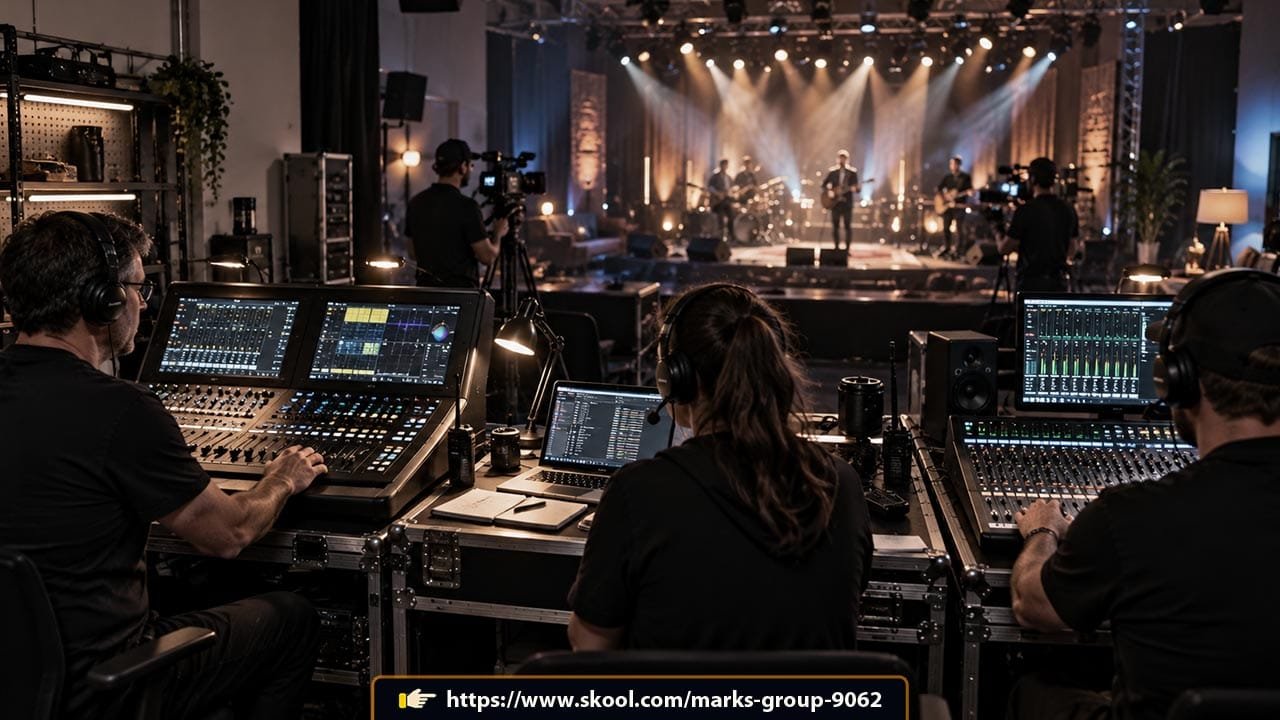
Thinking Systems When It Comes to Production
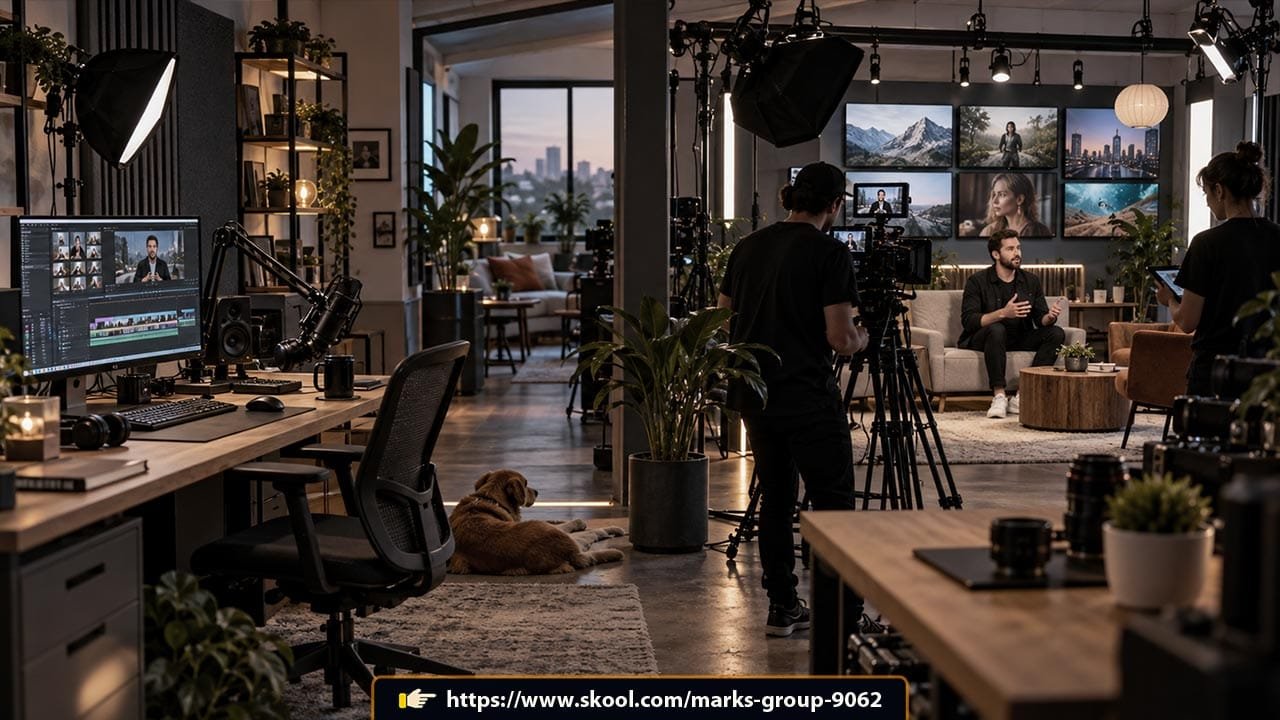
A capable home studio is not simply a room filled with cameras, microphones, lights, computers, and production software.
It is a connected production system.
Every part of that system influences something else. Lighting changes how your camera needs to be configured. Audio routing affects monitoring and recording. Network performance can influence live streaming. Storage and file organization can determine how quickly you move from capture to edit, publish, and archive.
For that reason, it is better to design a home studio as one complete workflow rather than as a collection of individual pieces of equipment.
Map the Entire Production Path
Start by looking at how content moves through your studio from beginning to end.
That may include:
Source → Capture → Processing → Monitoring → Recording → Backup → Editing → Delivery
Identify where video and audio signals travel, which devices depend on one another, where files are stored, and what happens when something stops working.
Once that path is clear, you can begin removing unnecessary friction.
Simple improvements such as labeled cables, standardized inputs, saved camera settings, audio presets, project templates, checklists, and repeatable session configurations can dramatically reduce setup time and production mistakes.
Build Repeatable Workflows
Software should also be treated as part of the production system.
Routing applications, control surfaces, automation tools, shared production documents, storage systems, and backup workflows can help a modest home studio operate much more like a professional production environment.
The objective is not to make your setup more complicated.
The objective is to make it repeatable and predictable.
Ideally, you should be able to enter your studio, power up the equipment, load the appropriate production preset, verify a few key systems, and begin creating.
Reliability Beats Complexity
A sophisticated studio that constantly requires troubleshooting can slow production down.
A simpler studio with clearly defined workflows may allow you to create far more consistently.
That distinction becomes especially important when you are producing recurring shows, podcasts, livestreams, courses, interviews, or other scheduled content.
Consistency depends on systems.
When your production system is designed well, less energy goes into solving technical problems and more energy goes into storytelling, presentation, and publishing.
For many creators, the most valuable studio upgrade is not another camera, microphone, or piece of software.
It is a better production system.
For more reads like this join our community: https://www.skool.com/marks-group-9062











Leave A Comment