


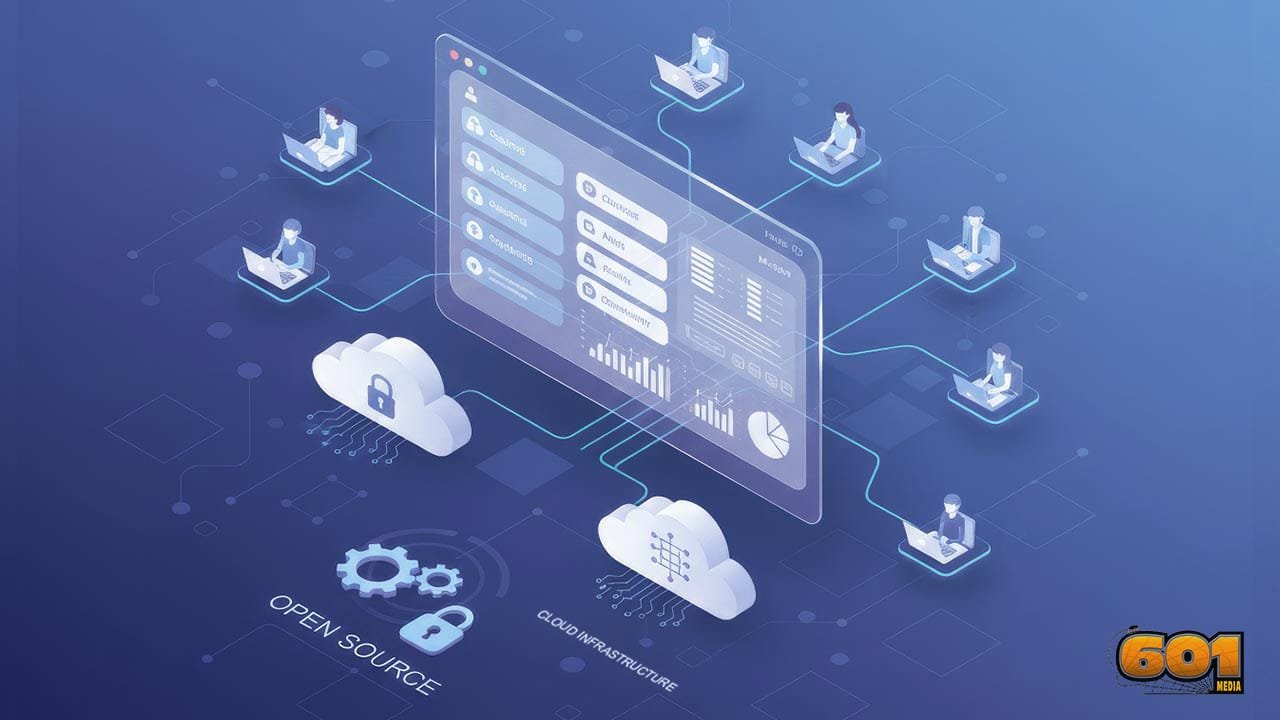
What to Consider When Choosing an Open Source LMS for Online Courses
Choosing an open source Learning Management System is a strategic technology decision that directly affects learner engagement, instructional quality, scalability, and long-term cost efficiency. With dozens of platforms available, understanding what truly matters helps organizations avoid technical debt, poor adoption, and stalled digital learning initiatives.
Table of Contents
- Strategic Alignment With Learning Goals
- Core LMS Features and Capabilities
- User Experience and Accessibility
- Technology Stack and Architecture
- Scalability and Performance
- Security, Privacy, and Compliance
- Community and Ecosystem Strength
- Customization and Extensibility
- Total Cost of Ownership
- Implementation and Long-Term Viability
- Top 5 Frequently Asked Questions
- Final Thoughts
- Resources
Strategic Alignment With Learning Goals
The first consideration is alignment between the LMS and your learning objectives. An LMS designed for higher education may not serve corporate training or customer education effectively. Define whether your priority is compliance training, skill development, certifications, or cohort-based learning. Open source platforms such as Moodle excel in structured academic learning, while others emphasize modular course delivery or blended learning models.
From an innovation management perspective, the LMS should support experimentation, continuous improvement, and data-driven learning design rather than locking you into rigid workflows.
Core LMS Features and Capabilities
A strong open source LMS must cover essential instructional and administrative functions. These include course authoring, content management, assessments, grading, learner progress tracking, and reporting. Advanced platforms also support learning paths, certifications, quizzes with question banks, and SCORM or xAPI compliance.
Equally important is analytics. Learning data should provide actionable insights into completion rates, engagement, and knowledge gaps. Research from the eLearning Guild shows organizations using learning analytics are 1.8 times more likely to improve learner outcomes.
User Experience and Accessibility
Usability directly impacts adoption. If learners struggle to navigate the platform, engagement drops quickly. Administrators and instructors also need intuitive interfaces to manage courses without extensive training.
Accessibility is non-negotiable. The LMS should comply with WCAG standards, support screen readers, captions, keyboard navigation, and mobile responsiveness. Inclusive design expands reach and reduces legal and reputational risk.
Technology Stack and Architecture
Open source does not mean lightweight. Evaluate the underlying programming language, database requirements, and deployment options. Modern LMS platforms support cloud hosting, containerization, and API-first architectures.
Interoperability is critical. The LMS should integrate with HR systems, CRM platforms, video conferencing tools, and identity management systems using standards such as LTI and SSO. A flexible architecture future-proofs your learning ecosystem.
Scalability and Performance
Scalability determines whether your LMS can grow with your organization. Consider concurrent user limits, load balancing, and performance under peak usage. Open source platforms can scale effectively, but only with proper infrastructure planning.
Organizations delivering MOOCs or enterprise-wide training must ensure the LMS can handle thousands of simultaneous learners without latency or downtime.
Security, Privacy, and Compliance
Security is a shared responsibility in open source environments. Evaluate how frequently the platform releases security patches, how vulnerabilities are disclosed, and whether role-based access controls are mature.
Data privacy compliance is equally important. Depending on your region, the LMS may need to support GDPR, FERPA, or ISO/IEC 27001-aligned practices. Learning platforms increasingly store sensitive personal and performance data, making governance essential.
Community and Ecosystem Strength
The strength of the open source community often determines the longevity of the platform. A healthy ecosystem includes active developers, frequent updates, extensive documentation, and third-party plugins.
Platforms like Open edX benefit from global institutional backing, which accelerates innovation and ensures long-term support. Community vitality reduces vendor lock-in and lowers maintenance risk.
Customization and Extensibility
Customization is a key advantage of open source LMS platforms. Evaluate how easily you can modify themes, workflows, and functionality without breaking core updates.
Extensibility through plugins or APIs allows organizations to add features such as gamification, AI-driven recommendations, or advanced analytics. However, excessive customization without governance can increase technical debt.
Total Cost of Ownership
While open source software has no licensing fees, it is not free. Total cost of ownership includes hosting, development, customization, security, support, and ongoing maintenance.
According to Gartner, organizations that underestimate implementation and support costs often exceed their learning technology budgets by 25–40 percent. A clear financial model helps balance flexibility with sustainability.
Implementation and Long-Term Viability
Implementation success depends on internal capabilities and change management. Assess whether you have in-house technical expertise or require external partners. Clear governance, roadmap planning, and stakeholder alignment are critical.
Long-term viability also depends on the platform’s adoption trajectory, contributor activity, and roadmap transparency. An LMS is a long-term investment, not a short-term tool.
Top 5 Frequently Asked Questions
Final Thoughts
Choosing an open source LMS is a strategic innovation decision that shapes how knowledge is created, delivered, and scaled. The most successful organizations focus beyond features and evaluate alignment with learning goals, architecture flexibility, community strength, and long-term sustainability. When selected thoughtfully, an open source LMS becomes a catalyst for continuous learning, organizational agility, and digital transformation.










Leave A Comment