


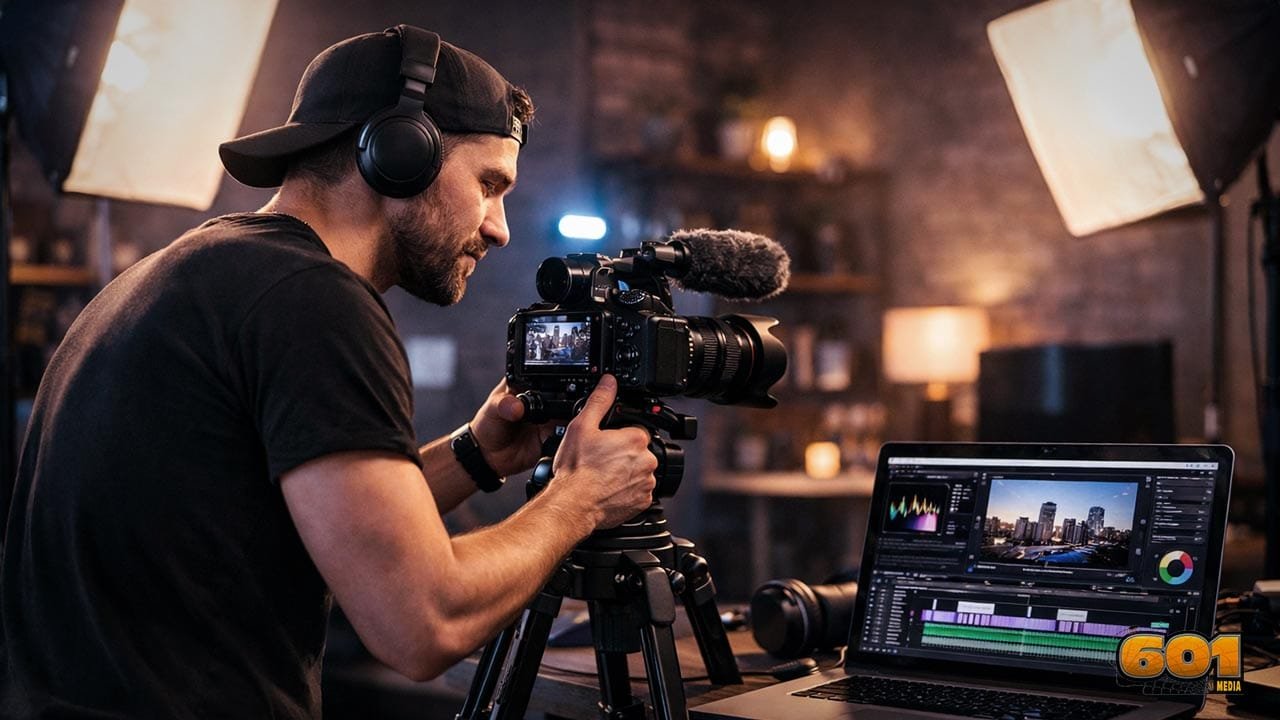
How to Start a Professional Video Content Making Career
A professional video content career blends creativity, technology, and strategy. With brands shifting budgets toward digital video and short-form platforms, skilled video creators are no longer optional—they are essential. This guide explains how to turn interest into a sustainable profession, from skills and tools to monetization and long-term growth. Video is now the most powerful medium for communication, marketing, and education. This article breaks down the exact steps required to start a professional video content making career, covering skills, equipment, platforms, monetization models, and industry best practices so you can move from beginner to paid professional with confidence.
Table of Contents
- Understanding the Video Content Industry
- Choosing Your Professional Path
- Core Skills You Must Master
- Essential Equipment and Software
- Building a Professional Workflow
- Platforms and Distribution Strategy
- How Video Creators Make Money
- Personal Branding and Positioning
- Scaling Into a Long-Term Career
- Top 5 Frequently Asked Questions
- Final Thoughts
- Resources
Understanding the Video Content Industry
Video dominates digital attention. Industry reports consistently show that video generates higher engagement, better conversion rates, and stronger brand recall than text or static images. Businesses now rely on video for marketing, internal training, customer education, and product launches.
From an innovation and technology management perspective, video sits at the intersection of creative production and scalable digital distribution. Low barriers to entry coexist with high competition, which means professional success depends on quality, consistency, and strategic positioning rather than luck.
Choosing Your Professional Path
Professional video content creation is not a single job. It is an ecosystem of specialized roles.
Common career paths include content creator for platforms like YouTube and TikTok, freelance videographer, video editor, brand content producer, and corporate video strategist.
Selecting a path early helps focus skill development. A freelance videographer prioritizes camera work and lighting, while a digital creator focuses more on storytelling, pacing, and audience psychology.
Core Skills You Must Master
Professional video creation is a multi-disciplinary skill set.
Storytelling is the foundation. Every successful video communicates a clear message with a beginning, middle, and end. Even short videos rely on narrative structure.
Technical skills include camera operation, composition, lighting, and audio capture. Poor audio quality is one of the fastest ways to lose credibility.
Post-production skills matter equally. Editing controls pacing, emotion, and clarity. Color correction and sound design separate amateur content from professional output.
Strategic skills complete the picture. Understanding audience behavior, analytics, and platform algorithms allows creators to design videos that perform, not just look good.
Essential Equipment and Software
Professional results do not require the most expensive gear, but they do require reliable tools.
A modern mirrorless or DSLR camera is sufficient for most projects. Lighting is often more important than the camera itself. Soft, controlled light improves perceived quality immediately.
Audio equipment should include a dedicated microphone. Viewers tolerate imperfect visuals but abandon videos with unclear sound.
Editing software such as Adobe Premiere Pro or DaVinci Resolve is industry standard. Mastery of one professional editing tool is more valuable than owning multiple cameras.
Building a Professional Workflow
Professionals rely on repeatable systems.
Pre-production includes scripting, shot lists, and planning. This stage reduces wasted time during filming.
Production focuses on execution. Lighting setup, camera framing, and sound checks prevent costly re-shoots.
Post-production is where value is refined. Editing, sound balancing, color grading, and export optimization should follow a consistent checklist.
A structured workflow increases efficiency, enabling creators to deliver consistent quality under deadlines.
Platforms and Distribution Strategy
Each platform rewards different behaviors.
Long-form platforms favor depth and watch time. Short-form platforms reward speed, clarity, and emotional hooks. A professional understands how to adapt one message across formats without duplicating effort.
Distribution is a technology management challenge. Repurposing content across platforms increases return on creative investment while minimizing production cost.
How Video Creators Make Money
Professional video careers are built on diversified revenue streams.
Common income sources include brand sponsorships, freelance client work, ad revenue, digital products, and consulting services. Businesses increasingly hire creators not only to make videos but to design video strategies.
From a business perspective, monetization improves when creators position themselves as problem solvers rather than entertainers alone.
Personal Branding and Positioning
A strong personal brand signals trust.
Consistency in visual style, tone, and messaging makes creators recognizable. Professional branding also includes clear positioning—what you are known for and who you serve.
In competitive markets, clarity outperforms creativity. Audiences follow creators who consistently deliver value in a defined niche.
Scaling Into a Long-Term Career
Sustainability requires systems and strategy.
As demand grows, professionals standardize processes, outsource repetitive tasks, and invest in skill development. Long-term creators think like media businesses, not hobbyists.
Continuous learning is critical. Video technology, platform algorithms, and audience expectations evolve rapidly.
Top 5 Frequently Asked Questions
Final Thoughts
A professional video content making career is built, not discovered. Success comes from combining creative storytelling with technical execution and strategic thinking. Those who treat video creation as both an art and a system gain a lasting competitive advantage. The most important takeaway is this: consistency, clarity, and value creation matter more than perfection.
Resources
- YouTube Creator Academy
- HubSpot Video Marketing Statistics
- Adobe Video Editing Guides



Leave A Comment