


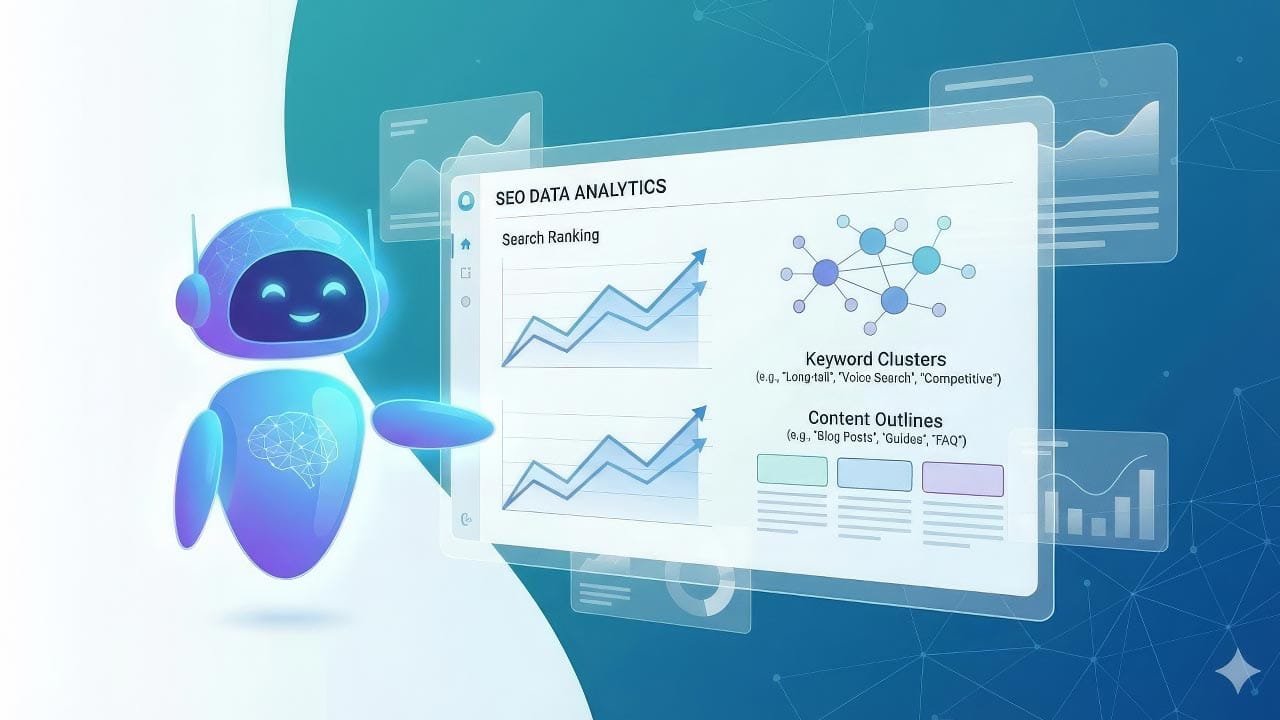
How to Create Expert-Level SEO Content Using ChatGPT
Modern SEO content creation is no longer driven by intuition alone. It is shaped by structured thinking, data alignment, and intelligent use of AI. When used correctly, ChatGPT becomes a strategic assistant capable of supporting expert-level content planning, not a shortcut for low-quality automation. Todays guide explains how to design authoritative, SEO-optimized articles by guiding ChatGPT with precision and intent.
Table of Contents
- Understanding the SEO Foundation
- The Strategic Role of ChatGPT in Content Creation
- Engineering a High-Performance Article Outline
- Building Expertise, Authority, and Trust
- Optimizing Content for Search Engines
- Scaling SEO Content with AI Responsibly
- Top 5 Frequently Asked Questions
- Final Thoughts
- Resources
Understanding the SEO Foundation
Search engines reward content that satisfies user intent, demonstrates expertise, and delivers clarity. Before generating a single word, successful SEO content begins with strategic alignment between keywords, search intent, and topical depth.
High-ranking articles typically address one primary keyword supported by semantically related terms. This creates topical authority rather than keyword stuffing. Search engines analyze structure, clarity, internal logic, and relevance — not just word count.
The Strategic Role of ChatGPT in Content Creation
ChatGPT is not a replacement for subject-matter expertise. It is a cognitive accelerator. When prompted correctly, it can assist with outlining, ideation, content expansion, and structural refinement.
Developed by OpenAI, ChatGPT performs best when given clear constraints, audience definitions, and output expectations. Vague prompts lead to generic content. Precision prompts produce structured, expert-aligned results.
Engineering a High-Performance Article Outline
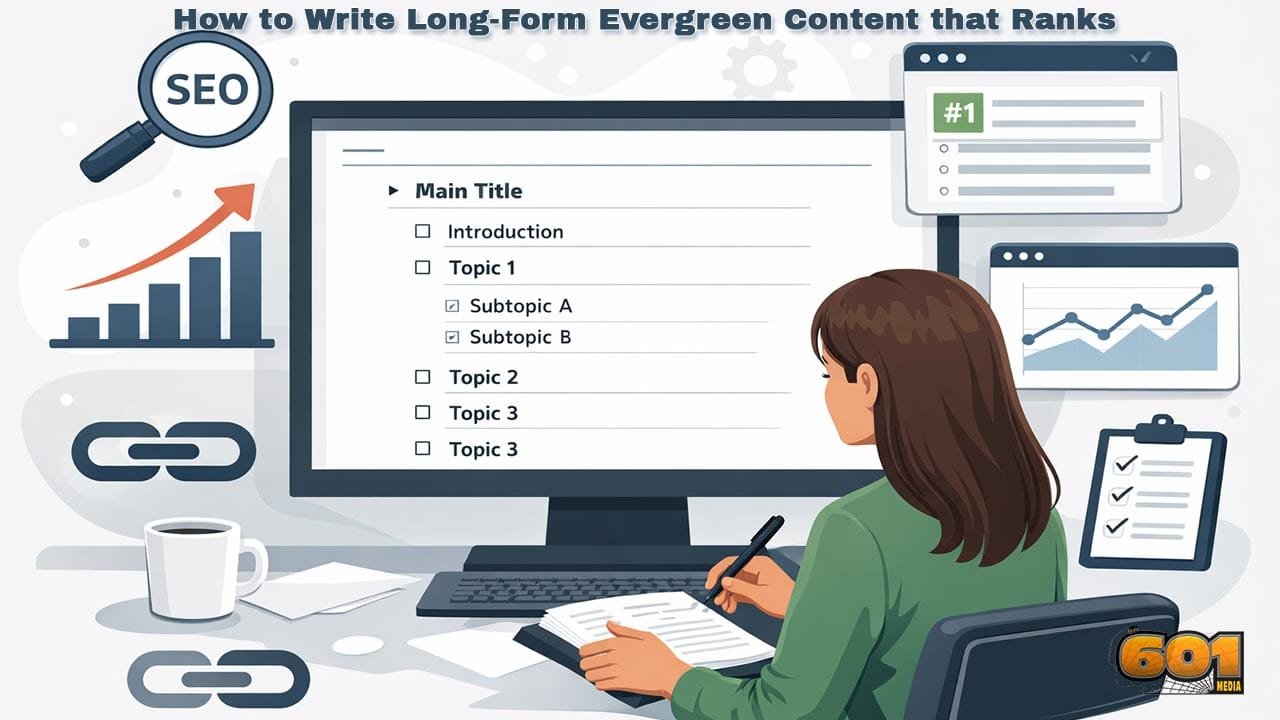
An expert SEO article outline is intentional. It mirrors how readers think and how search engines evaluate content.
Effective outlines:
- Begin with foundational context
- Progress logically from basic to advanced concepts
- Answer implicit and explicit user questions
- Anticipate objections and misconceptions
By instructing ChatGPT to generate outlines based on intent clusters and subtopics, content creators can ensure comprehensive coverage without redundancy.
Building Expertise, Authority, and Trust
Google’s quality guidelines emphasize experience, expertise, authority, and trust. AI-assisted content must reflect real-world understanding, not surface-level summaries.
To strengthen credibility:
- Include data-backed claims
- Reference industry standards
- Use precise terminology sparingly
- Explain concepts clearly rather than broadly
ChatGPT can help articulate expert insights, but human validation remains essential.
Optimizing Content for Search Engines
SEO optimization is a workflow, not a single step. After drafting, content should be refined for readability, semantic richness, and internal linking opportunities.
Key optimization elements include:
- Descriptive headings
- Natural keyword placement
- Clear paragraph logic
- Scannable formatting
ChatGPT can assist with rewriting sections for clarity or alignment without altering meaning.
Scaling SEO Content with AI Responsibly
Scaling content production with AI requires governance. Publishing volume without quality control weakens brand authority.
Responsible scaling strategies:
- Standardized prompt frameworks
- Editorial review checkpoints
- Consistent tone and voice
- Continuous performance monitoring
AI excels when integrated into a disciplined content system rather than used as an unchecked generator.
Top 5 Frequently Asked Questions
Final Thoughts
How to Create Expert-Level SEO Content Using ChatGPT, expert-level SEO content is engineered, not improvised. ChatGPT becomes powerful when used as a structured collaborator guided by intent, expertise, and editorial standards. The most successful organizations use AI to amplify insight — not bypass it.







Leave A Comment