


How to Become a UGC Content Creator in 2026
Short-form video has reshaped digital marketing, and by 2026 user-generated content has become one of the most trusted drivers of online purchasing decisions. Brands no longer rely solely on influencers with massive followings. Instead, they invest in relatable creators who can produce authentic, high-performing content at scale. Our guide explains exactly how to become a UGC content creator in 2026, even if you have zero followers.
Table of Contents
- What Is a UGC Content Creator in 2026?
- Why Brands Pay UGC Creators
- Core Skills You Need to Succeed
- Equipment and Tools You Actually Need
- How to Build a UGC Portfolio from Scratch
- How to Find and Pitch UGC Clients
- How Much UGC Creators Get Paid in 2026
- How to Scale into a Sustainable Business
- Top 5 Frequently Asked Questions
- Final Thoughts
- Resources
What Is a UGC Content Creator in 2026?
A UGC content creator produces brand-specific content designed to look native to social platforms such as TikTok, Instagram Reels, YouTube Shorts, and emerging vertical video feeds. Unlike influencers, UGC creators are paid for content usage rather than audience reach. In 2026, UGC creation sits at the intersection of performance marketing, creative strategy, and short-form storytelling. Brands use UGC across paid ads, product pages, email campaigns, and in-app experiences. The creator’s face, voice, and storytelling ability matter more than follower count. This shift aligns with declining trust in traditional ads and rising demand for authenticity.
Why Brands Pay UGC Creators
Consumer behavior data consistently shows that people trust real users more than polished brand ads. UGC-style content delivers higher engagement, stronger click-through rates, and lower acquisition costs.
Brands pay UGC creators because:
- Authentic content outperforms studio ads in paid social campaigns
- Short-form native videos reduce creative fatigue
- UGC lowers production costs while increasing speed to market
- Creators understand platform trends better than in-house teams
By 2026, UGC is no longer experimental. It is embedded directly into paid media strategies and growth funnels.
Core Skills You Need to Succeed
Successful UGC creators are not just “good on camera.” They combine creative, analytical, and business skills. Content storytelling is essential. You must hook attention within the first two seconds, communicate benefits clearly, and close with a natural call to action. Platform fluency matters. Understanding TikTok-style pacing, jump cuts, captions, and trending audio directly impacts performance. Performance awareness separates amateurs from professionals. Brands value creators who understand why content converts, not just how it looks. Communication and reliability are critical. UGC is a service-based business. Clear timelines, revisions, and professionalism lead to repeat contracts.
Equipment and Tools You Actually Need
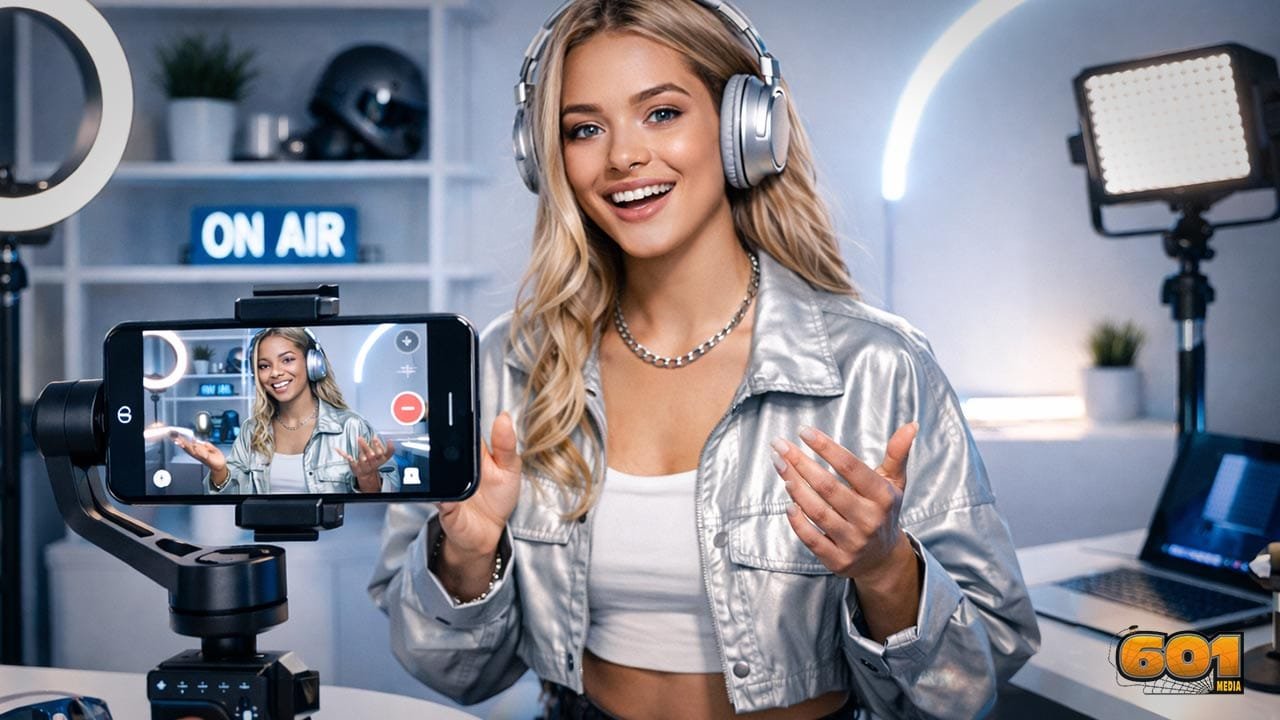
In 2026, high-quality UGC still relies on simple setups. Expensive cameras are unnecessary.
- A modern smartphone capable of 4K video
- A tripod or phone mount for stability
- A lavalier or compact microphone for clear audio
- Natural lighting or a small ring light
For editing, creators commonly use CapCut, Adobe Premiere Rush, or native in-app editors. Brands prioritize clarity, authenticity, and pacing over cinematic visuals.
How to Build a UGC Portfolio from Scratch
You do not need brand deals to start. A strong portfolio demonstrates skill, not experience. Create mock UGC videos for real products you already use. Focus on product demos, testimonials, and problem-solution formats. Organize your work on a simple landing page using Notion, Canva, or a personal website. Include short clips, content styles, and a brief creator bio.
Your portfolio should clearly show:
- Different hooks and storytelling angles
- Comfort on camera
- Clear audio and visuals
- Understanding of brand messaging
How to Find and Pitch UGC Clients
In 2026, most UGC creators find clients through outbound pitching and creator marketplaces.
Effective channels include:
- TikTok Creator Marketplace
- Instagram and LinkedIn outreach
- UGC platforms like Billo, Insense, and Modash
- Brand websites and startup job boards
Your pitch should be concise, personalized, and value-driven. Focus on how your content helps the brand convert, not on yourself.
How Much UGC Creators Get Paid in 2026
UGC pricing has matured into standardized ranges.
- Entry-level creators earn between $100 and $250 per video
- Experienced creators charge $300 to $750 per asset
- High-performing creators with ad expertise exceed $1,000 per video
Usage rights, paid ads, exclusivity, and revisions should always be priced separately. Top creators think in terms of licensing, not hourly rates.
How to Scale into a Sustainable Business
Scaling UGC means moving beyond one-off deals. The most successful creators package services, offer monthly retainers, and specialize in specific industries. Many expand into creative strategy, ad scripting, or content testing frameworks. Others build small teams to increase output without sacrificing quality. By treating UGC as a business rather than a side hustle, creators unlock predictable income and long-term brand partnerships.
Top 5 Frequently Asked Questions
Final Thoughts
Becoming a UGC content creator in 2026 is less about visibility and more about value. Brands need creators who understand human behavior, platform culture, and performance-driven storytelling. With minimal equipment, strategic positioning, and consistent execution, UGC creation offers one of the most accessible and scalable opportunities in the creator economy.









Leave A Comment