


Building an Audience: Tactics That Work in 2026
Audience building in 2026 is no longer about chasing attention. It is about engineering trust at scale. Platforms change faster than ever, algorithms reward depth over volume, and audiences expect relevance, authenticity, and value on demand. The brands, creators, and organizations winning today are not louder. They are more intentional, more data-literate, and more human. This guide breaks down the audience-building tactics that actually work in 2026, based on platform behavior, technological shifts, and proven growth mechanics.
Table of Contents
- Why Audience Building Changed in 2026
- Owned Audiences Beat Rented Platforms
- How Algorithms Really Work Now
- Identity-Based Content Strategy
- Community Over Follower Counts
- Distribution Is the New Differentiator
- Trust as a Growth Metric
- Top 5 Frequently Asked Questions
- Final Thoughts
- Resources
Why Audience Building Changed in 2026
The attention economy collapsed under its own weight. Audiences are overwhelmed, privacy regulations tightened, and AI flooded the internet with average content. In response, platforms adjusted ranking systems to prioritize signals of credibility, depth, and audience satisfaction. Engagement is no longer measured by clicks alone. It is measured by dwell time, return visits, saves, and meaningful interaction.
What this means is simple. Growth now rewards those who understand audience psychology, not just content production. Broadcasting is obsolete. Relationship building is the new growth engine.
Owned Audiences Beat Rented Platforms
In 2026, relying solely on social platforms is operational risk. Algorithm volatility, monetization shifts, and account shutdowns have made it clear that audience ownership is non-negotiable.
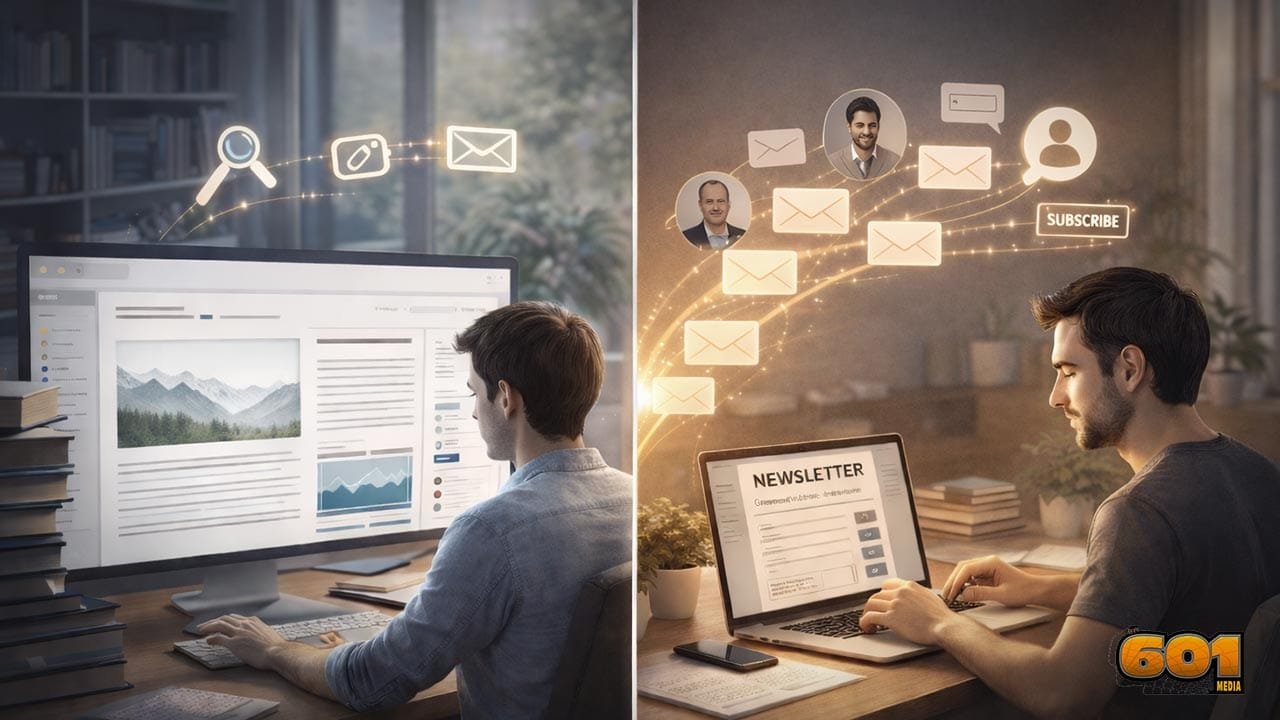
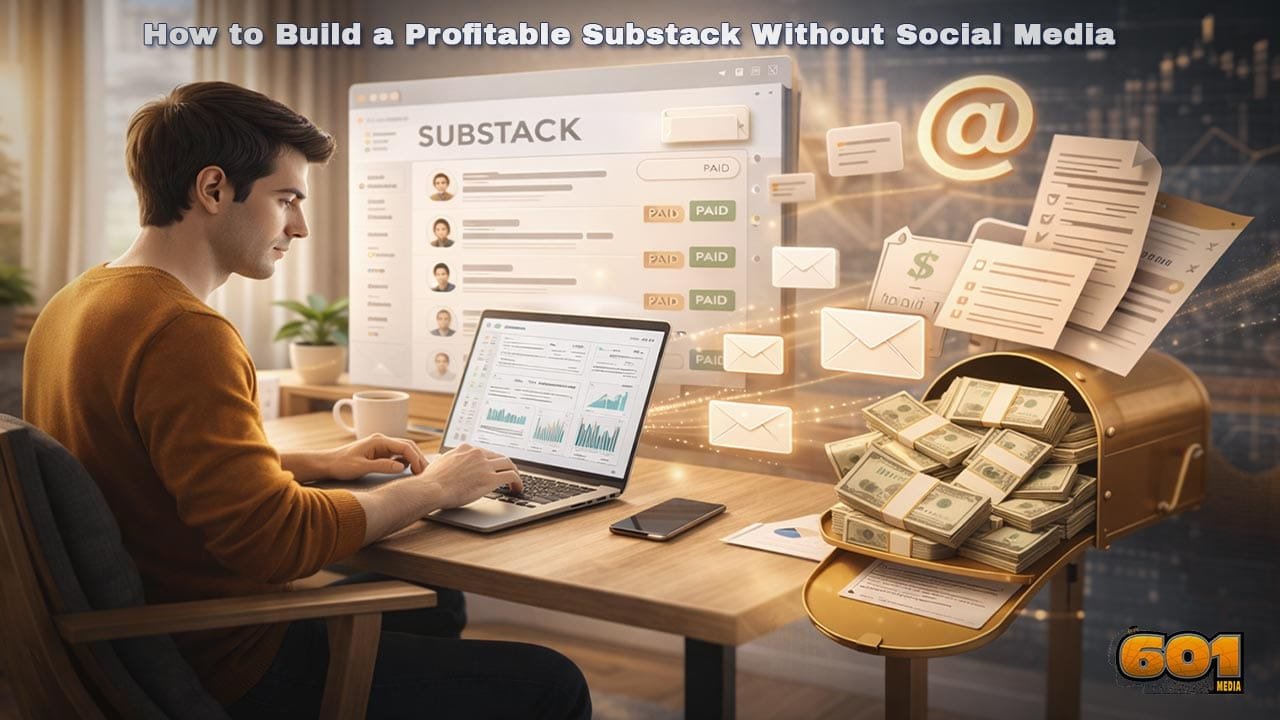
Email lists, private communities, SMS channels, and membership platforms form the backbone of sustainable audience strategies. These channels provide direct access, predictable reach, and first-party data. Brands with strong owned audiences consistently outperform those dependent on third-party platforms because they control distribution, messaging, and monetization.
The most effective strategy blends discovery on public platforms with conversion into owned ecosystems. Social media becomes the top of the funnel, not the foundation.
How Algorithms Really Work Now
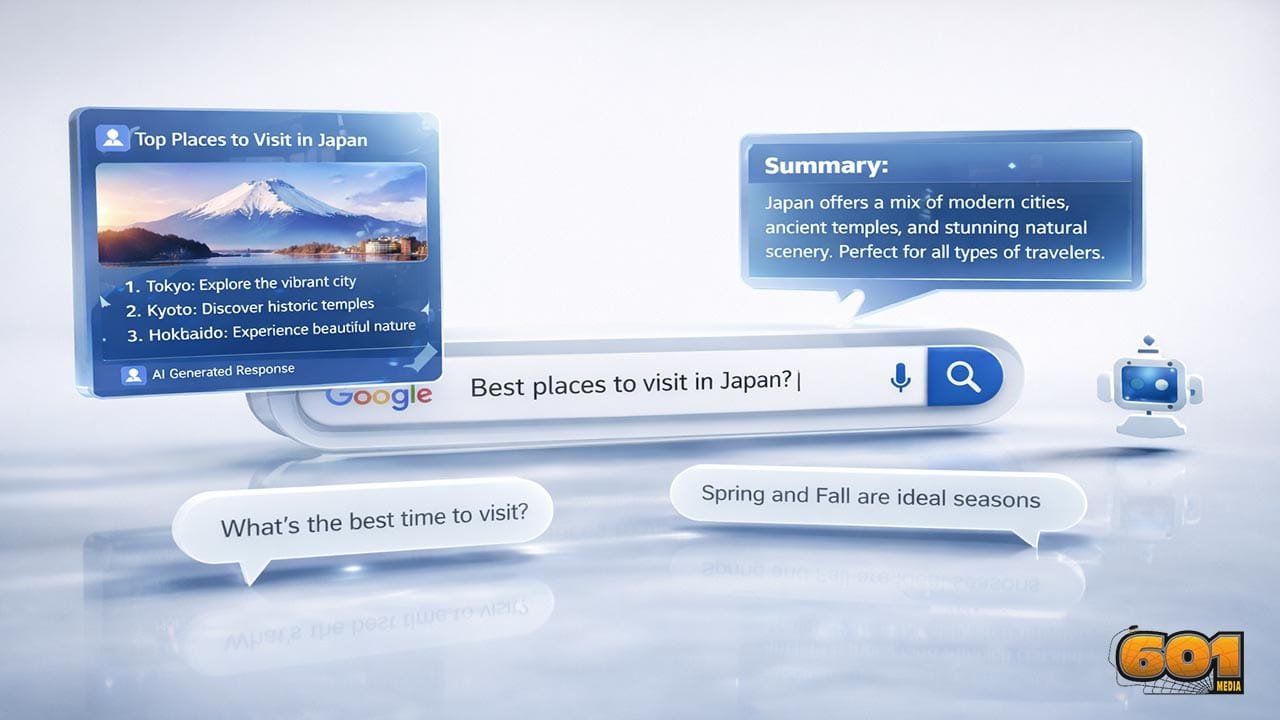
Modern algorithms are designed to maximize user satisfaction, not creator reach. They evaluate content based on predictive engagement quality rather than surface-level metrics.
Key ranking factors in 2026 include session duration, content completion rate, repeat consumption, and audience feedback signals such as saves, shares, and comments with semantic depth. Shallow engagement is filtered out quickly.
Creators who optimize for human value naturally align with algorithmic incentives. The fastest way to lose reach is to optimize for the algorithm instead of the audience.
Identity-Based Content Strategy
The most effective content strategies in 2026 are identity-driven. Instead of targeting demographics, successful creators target self-perception.
Audiences do not follow content. They follow identities they want to reinforce. When your content helps people see themselves as smarter, more capable, more informed, or more aligned with their values, loyalty compounds.
This requires consistency in worldview, tone, and positioning. Viral reach matters less than resonance. Niche authority beats broad visibility every time.
Community Over Follower Counts
Follower counts are vanity metrics. Community participation is the real indicator of influence.
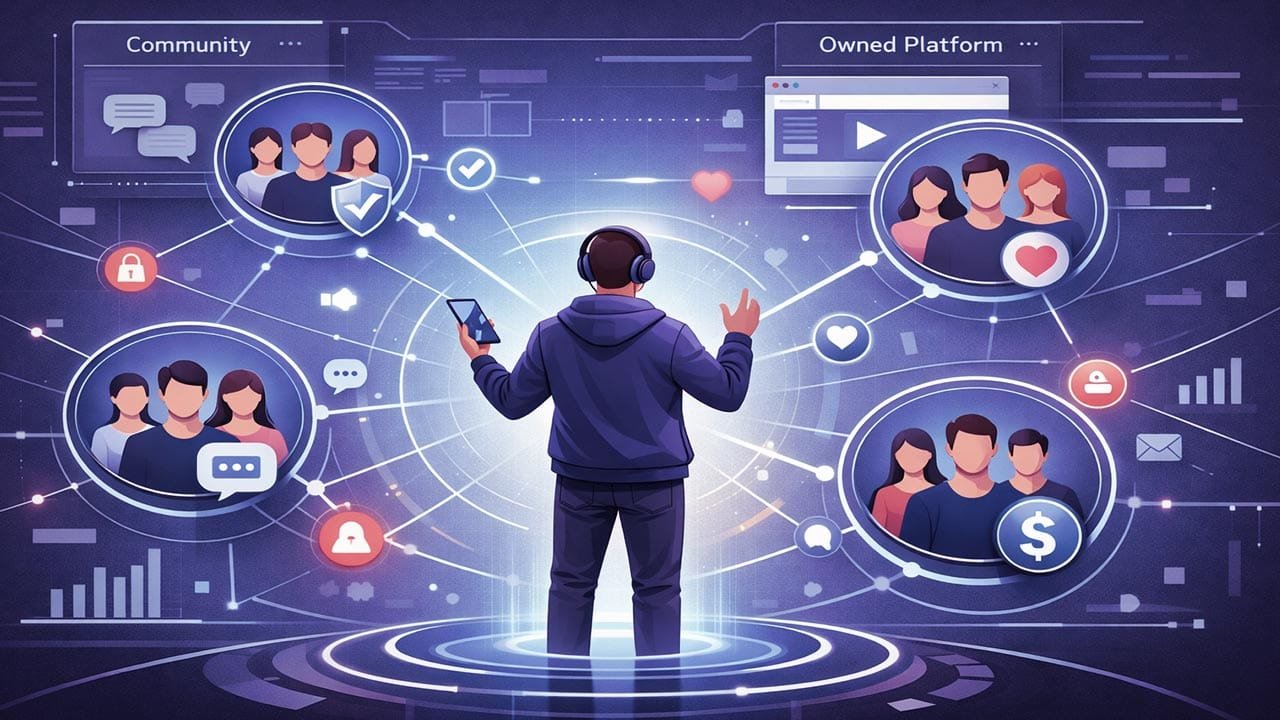
High-performing audiences exhibit three traits: interaction, contribution, and advocacy. These behaviors emerge when audiences feel seen and involved, not marketed to.
Community-first brands design feedback loops, invite participation, and reward contribution. This transforms passive consumers into active stakeholders. Communities become self-reinforcing growth engines that outlive platform shifts.
Distribution Is the New Differentiator
Content creation is commoditized. Distribution is not.
Winning strategies in 2026 prioritize multi-channel distribution, strategic partnerships, and audience reactivation. Repurposing content across formats, platforms, and contexts maximizes return on effort while maintaining message consistency.
Creators who invest in distribution systems outperform those who rely on organic discovery alone. Growth becomes engineered, not accidental.
Trust as a Growth Metric
Trust is measurable, scalable, and monetizable.
Indicators such as repeat engagement, direct traffic, and conversion velocity reveal audience trust levels. Brands that prioritize transparency, evidence-based claims, and long-term value creation build defensible audience assets.
In an AI-saturated environment, trust becomes the ultimate differentiator. Audiences reward credibility with attention, loyalty, and advocacy.
Top 5 Frequently Asked Questions
Final Thoughts
Building an audience in 2026 is a strategic discipline, not a growth hack. The winners are those who treat audience trust as an asset, design for long-term value, and understand that relevance is earned, not engineered. Platforms will continue to evolve, but human behavior remains consistent. People follow clarity, credibility, and connection. Build for those, and growth follows.
Resources
- Harvard Business Review – Trust and Digital Engagement
- McKinsey – The Future of Customer Relationships
- Pew Research Center – Digital Media Consumption Trends
- MIT Sloan Management Review – Community-Driven Growth






Leave A Comment