




What Is Substack and What Are People Using It For?
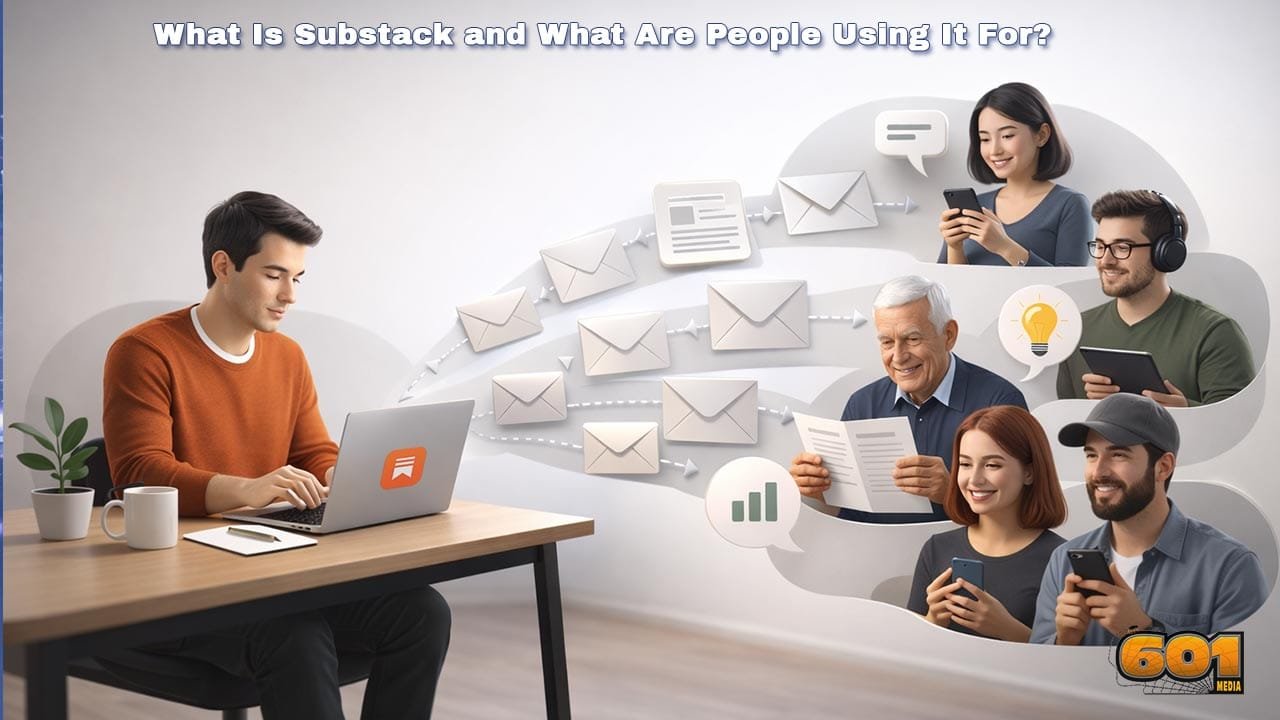
What is Substack, how does it work, why it has grown so rapidly, and what people are actually using it for today—from journalism and investing to education, fiction, and community building. Substack is a publishing platform that allows writers, journalists, analysts, and creators to publish newsletters and monetize them directly through subscriptions. It combines blogging, email newsletters, and payments into a single system, removing the need for technical setup, ad networks, or intermediaries. Since its launch, it has become a central tool in the creator economy, especially for independent voices seeking ownership over their audience and revenue. It has reshaped how written content is published and monetized online.
Table of Contents
- What Is Substack?
- How Substack Works
- Why Substack Exists
- Who Uses Substack
- What People Publish on Substack
- Substack’s Monetization Model
- Substack vs Other Platforms
- Benefits and Limitations
- The Future of Substack
- Top 5 Frequently Asked Questions
- Final Thoughts
- Resources
What Is Substack?
Substack is best understood as a subscription-based newsletter platform. Writers publish posts that are delivered directly to readers by email and hosted on a public-facing website. Some content can be free, while premium posts are locked behind a paid subscription. Unlike traditional media outlets or social platforms, it allows creators to fully own their content, mailing list, and relationship with readers.
How Substack Works
A creator sets up a Substack publication, customizes branding, and begins writing. Readers subscribe using their email address. Payments are handled natively through Stripe, allowing monthly or annual subscriptions. It takes a percentage of paid subscriptions, while the creator keeps the rest. Posts can be distributed via email, web, and the Substack mobile app, making distribution frictionless. Many Substack creators accelerate their growth by pairing newsletters with external promotion strategies, including using AI tools like ChatGPT to grow and engage an audience.
Why Substack Exists
Substack emerged in response to declining trust in ad-driven media and algorithm-controlled platforms. Many writers found that social media prioritized engagement over quality and that advertising revenue was unreliable. It’s founders positioned the platform as an alternative where creators are funded directly by readers, aligning incentives around value rather than clicks.
Who Uses Substack?
Substack attracts a wide range of users. Independent journalists use it to publish investigative reporting without editorial constraints. Subject-matter experts in finance, technology, and health use it to share analysis. Authors and poets publish serialized fiction. Educators create learning communities. Even hobbyists use Substack as a modern replacement for personal blogs.
What People Are Publishing on Substack
Content on it spans many formats. Long-form essays and opinion pieces dominate, but podcasts, short updates, interviews, research notes, and community threads are increasingly common. Popular categories include politics, business strategy, investing, culture, science, and self-improvement. Many publications blend personal perspective with professional insight, which readers often find more authentic than institutional media.
Substack’s Monetization Model
Creators typically monetize through subscriptions, charging between five and fifteen dollars per month. Some offer founding memberships at higher prices. It takes a ten percent cut of subscription revenue, while Stripe charges payment processing fees. This simple revenue split has made income forecasting more predictable for writers compared to advertising-based models. As subscriptions grow, many publishers turn to AI and automation for content publishers to maintain consistency without increasing workload.
Substack vs Other Platforms
Compared to platforms like Medium, Patreon, or traditional blogging tools, it emphasizes email as the primary distribution channel. This reduces dependence on algorithms and search traffic. Unlike Patreon, it integrates publishing and monetization in one interface. Compared to Medium, it offers greater control over pricing, audience data, and brand identity.
Benefits and Limitations
Substack’s biggest advantage is creator ownership. Writers keep their mailing lists and can leave the platform if needed. The simplicity of setup lowers technical barriers. However, growth still depends heavily on external promotion, and discoverability within it remains limited. Critics also note that income is unevenly distributed, with top writers earning a disproportionate share.
The Future of Substack
Substack is evolving from a newsletter tool into a broader publishing ecosystem. Features like recommendations, chat threads, podcasts, and notes suggest a move toward community-driven media. As more professionals seek independence from institutions, It is likely to remain a central platform in the shift toward direct-to-audience publishing.
Top 5 Frequently Asked Questions
Final Thoughts
Substack represents a structural shift in digital publishing. Instead of chasing clicks, creators focus on trust, depth, and direct relationships. The most important takeaway is that it is not just a tool—it is a business model that empowers individuals to turn expertise and perspective into sustainable, reader-funded work.
Resources
- Substack Official Website
- Stripe Payments Documentation
- Creator Economy Research by SignalFire








Leave A Comment